

When it comes to home improvement, many homeowners overlook one of the most transformative upgrades available—floor and staircase sanding. While paint and furniture often take center stage in redesigns, the condition of your wooden floors and staircases can dramatically influence the overall look, feel, and value of your space.
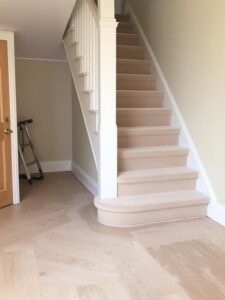 Wooden flooring and staircases, over time, bear the brunt of daily wear and tear. Scratches, dents, discoloration, and dullness slowly creep in, making even the most stylish interiors appear tired and neglected. That’s where floor and staircase sanding steps in as a simple yet powerful solution.
What Is Floor and Staircase Sanding?
Sanding involves removing the top layers of wood using specialized machines to eliminate imperfections. For floors, this means getting rid of scratches, stains, and uneven finishes. For staircases, it allows each tread and riser to regain its original luster, showcasing the grain and natural beauty of the wood. Once sanding is complete, the surfaces can be stained or sealed to match your décor and provide long-term protection.
The Benefits Go Beyond Aesthetics
The visual impact is immediate. Sanded floors and staircases appear fresh, clean, and polished. Natural wood tones come to life, adding warmth and elegance to any room. But beyond beauty, there are practical advantages as well.
Firstly, sanding improves safety. Uneven or damaged stairs and floors can pose a tripping hazard, especially for children and the elderly. Sanding smooths these surfaces and restores stability.
Secondly, it extends the life of your wood. Dirt and debris trapped in deep scratches can degrade the material over time. By removing these blemishes and resealing the surface, sanding offers a protective barrier against future damage.
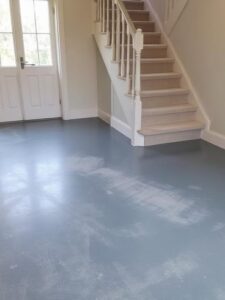 Lastly, if you’re planning to sell your home, freshly sanded floors and staircases can significantly boost its market value. They suggest good maintenance and enhance the perception of a well-kept property.
When Should You Consider Sanding?
You don’t need to wait for your woodwork to fall into disrepair. If you notice fading, minor scuffs, or a loss of shine, it may be time for a refresh. Most wooden floors and stairs can be sanded every 7–10 years, depending on usage and wood thickness.
DIY vs. Professional Help
While some homeowners tackle sanding as a DIY project, it’s a task that demands precision and the right tools. Mistakes—such as over-sanding or leaving swirl marks—can be costly to fix. For best results, hiring a professional who specializes in floor and staircase sanding is a wise investment.
A Final Thought
Floor and staircase sanding isn’t just maintenance—it’s a makeover. It’s a cost-effective way to revive your interiors, enhance the natural charm of wood, and create a more inviting living environment. If your floors and stairs are looking tired, consider sanding as your next home upgrade. The results are not only stunning but long-lasting.